
Contemporary interior design
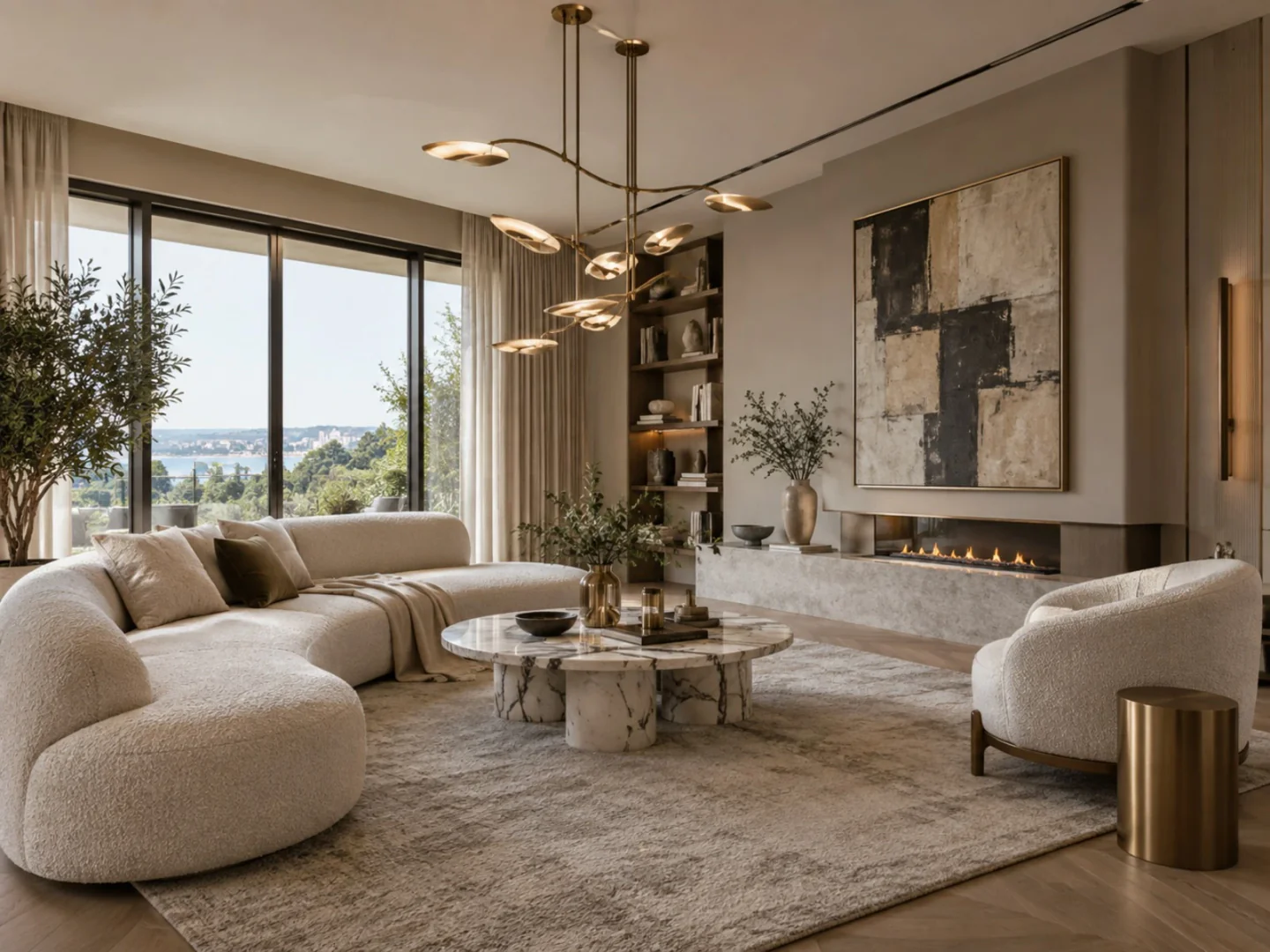
Contemporary design follows today's materials and techniques. Expect plush comfort, sculptural lighting and high-quality finishes in a sophisticated, mostly neutral scheme.
Key elements
- Materials
- Marble, velvet, brushed brass and large-format tiles
- Colors
- Greige, taupe and deep charcoal with metallic accents
- Furniture
- Curved sofas, statement dining tables, bouclé chairs
- Lighting
- Dramatic chandeliers and integrated LED lines
- Decor
- Large-scale art and a few sculptural objects
Color palettes that work
- Warm Neutrals#F5F0EB · #E8DFD8 · #D4C4B5 · #B8A898 · #9C8B7A
- Navy Classic#0A1128 · #1C2541 · #2E4057 · #3C5A7D · #4A7BA8
- Mauve Magic#E0B0FF · #DDA0DD · #D8BFD8 · #C8A2C8 · #B784A7
Where the style comes from
Contemporary design has no single birthplace because it means the style of the present moment. It developed from the 1970s onward as designers took modernism's clean lines and combined them with newer materials, technology and a stronger focus on comfort. Unlike modern, which follows fixed principles, contemporary keeps evolving with trends in architecture, fashion and manufacturing. Right now it favors soft curves, tactile fabrics, mixed metals and large-format stone. The idea behind it is refinement: interiors that feel current, comfortable and carefully finished, often with a hotel-like polish. Because it is fluid, the best contemporary rooms avoid fads and focus on quality and proportion.
How to recognize it and get it right
Expect neutral backgrounds in greige, taupe or warm white, contrasted by charcoal or black, with curved and generously padded seating. Materials are rich but subtle: honed marble, bouclé, velvet, brushed brass and smoked glass. Lighting is often sculptural or built into ceilings and joinery. To get it right at home, choose a restrained base and invest in two or three high-quality textures rather than many accessories. Make lighting part of the plan from the start, with dimmers and integrated strips. Keep surfaces sleek, hide cables and technology, and choose one large artwork or statement light as a focal point instead of several competing features.
Common mistakes
- Chasing every trend at once. Curves, terrazzo, fluting and colored stone together date quickly; pick one or two current ideas and keep the rest timeless.
- Choosing all-gray schemes with no warmth. Contemporary rooms need undertones; mix taupe, warm wood and soft lighting so the neutrals feel rich, not flat.
- Overlooking finishing details. Visible cables, cheap switches or gaps around joinery spoil a polished look; budget time and money for these small things.
Styles it pairs with
Contemporary pairs naturally with modern, sharing its clean structure. Adding Art Deco accents such as a fluted sideboard or brass lamp brings glamour. Japandi elements like low wooden furniture and ceramics give it calm, and a few traditional details, like paneled walls or an antique mirror, add character to a sleek scheme.
Questions
How do I make a contemporary bedroom feel luxurious?
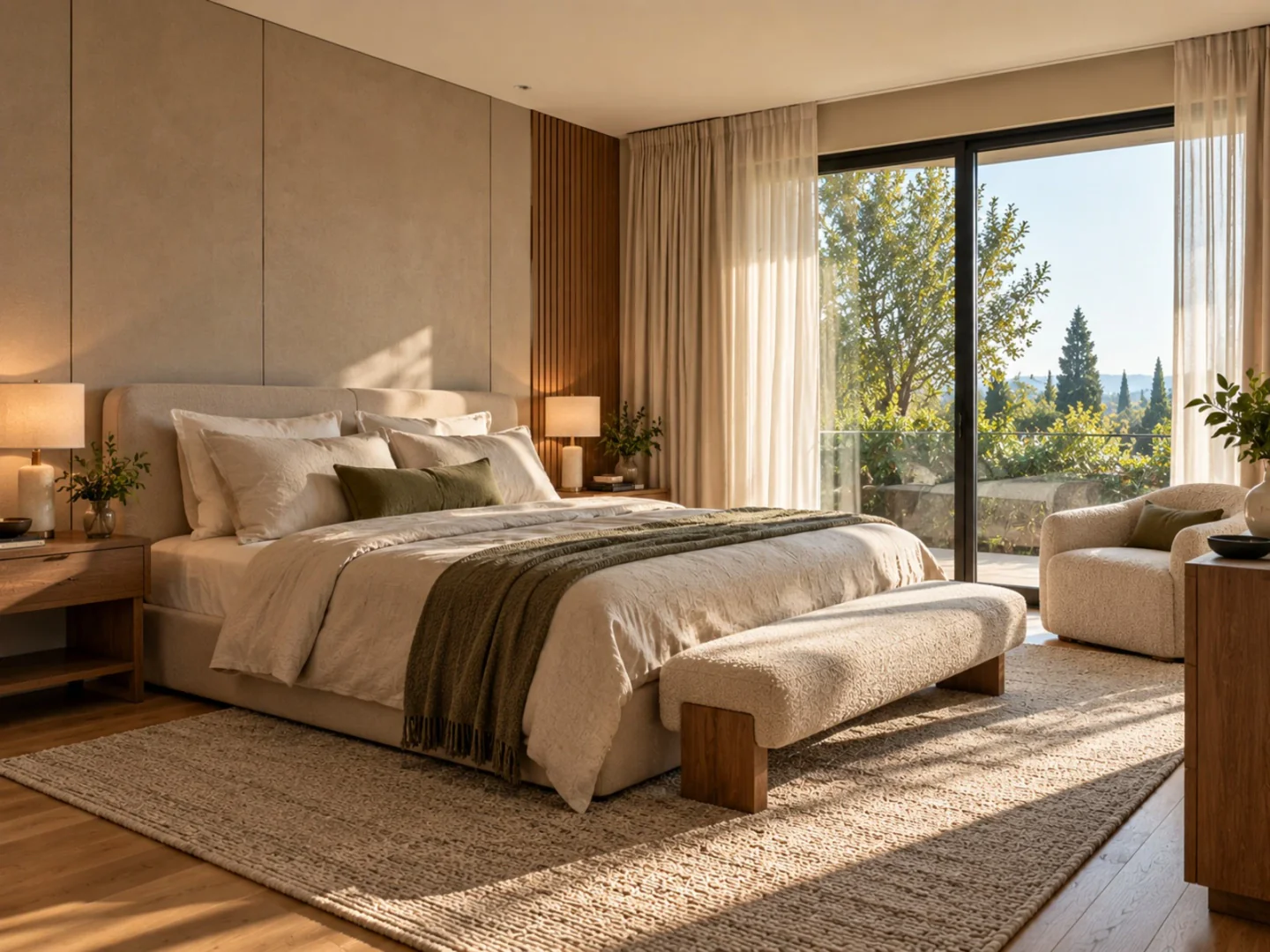
Focus on touch and light. Choose an upholstered headboard, quality bedding in tonal neutrals and a large soft rug. Add wall lights or integrated lighting on dimmers, and keep surfaces clear. One sculptural lamp or artwork completes the boutique hotel feel.
Is contemporary style the same as transitional?
Not quite. Transitional deliberately blends traditional forms, such as classic profiles and paneling, with clean modern lines. Contemporary focuses on what is current and does not need traditional references, although many contemporary rooms borrow a few classic details for warmth.
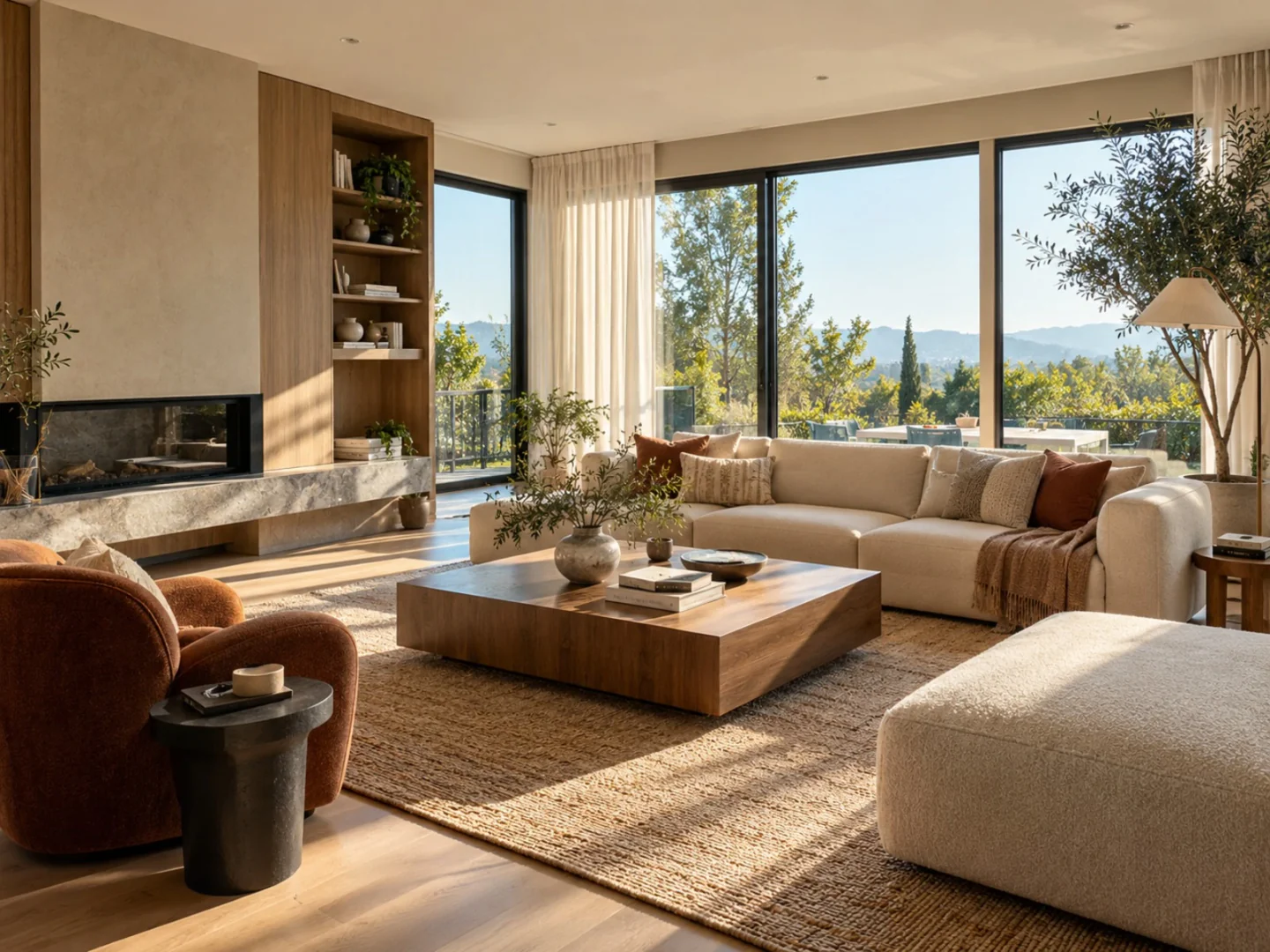
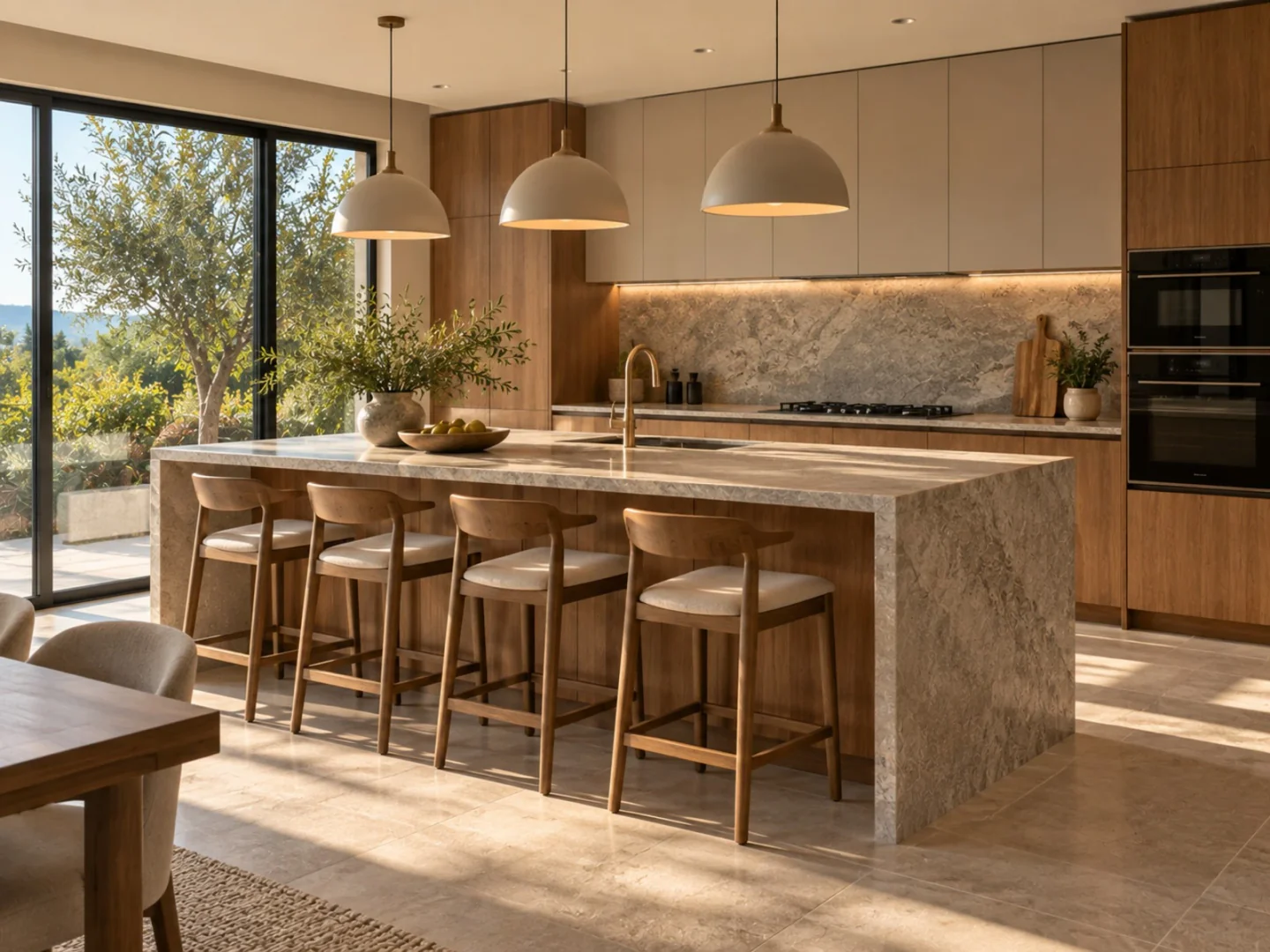
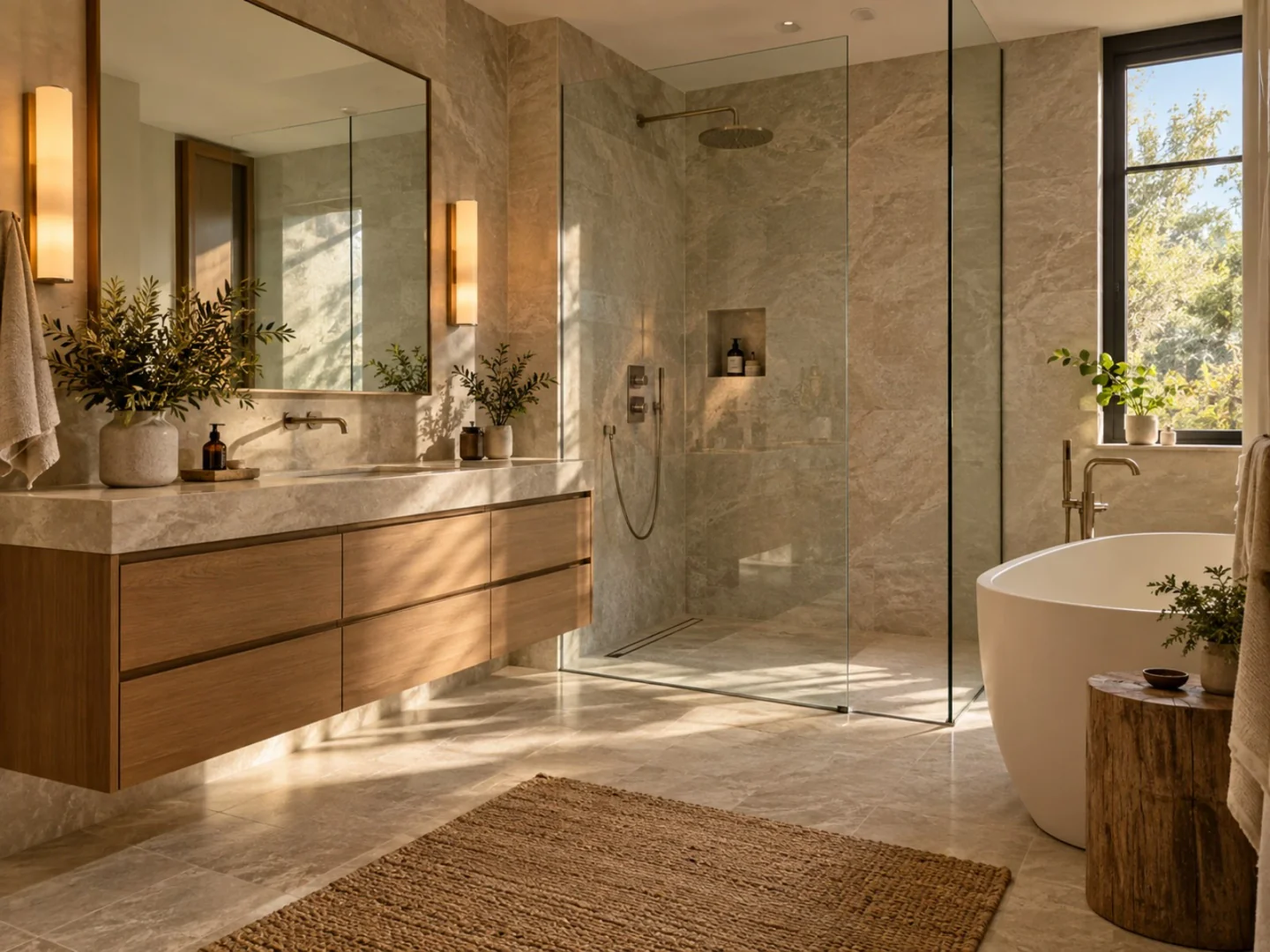
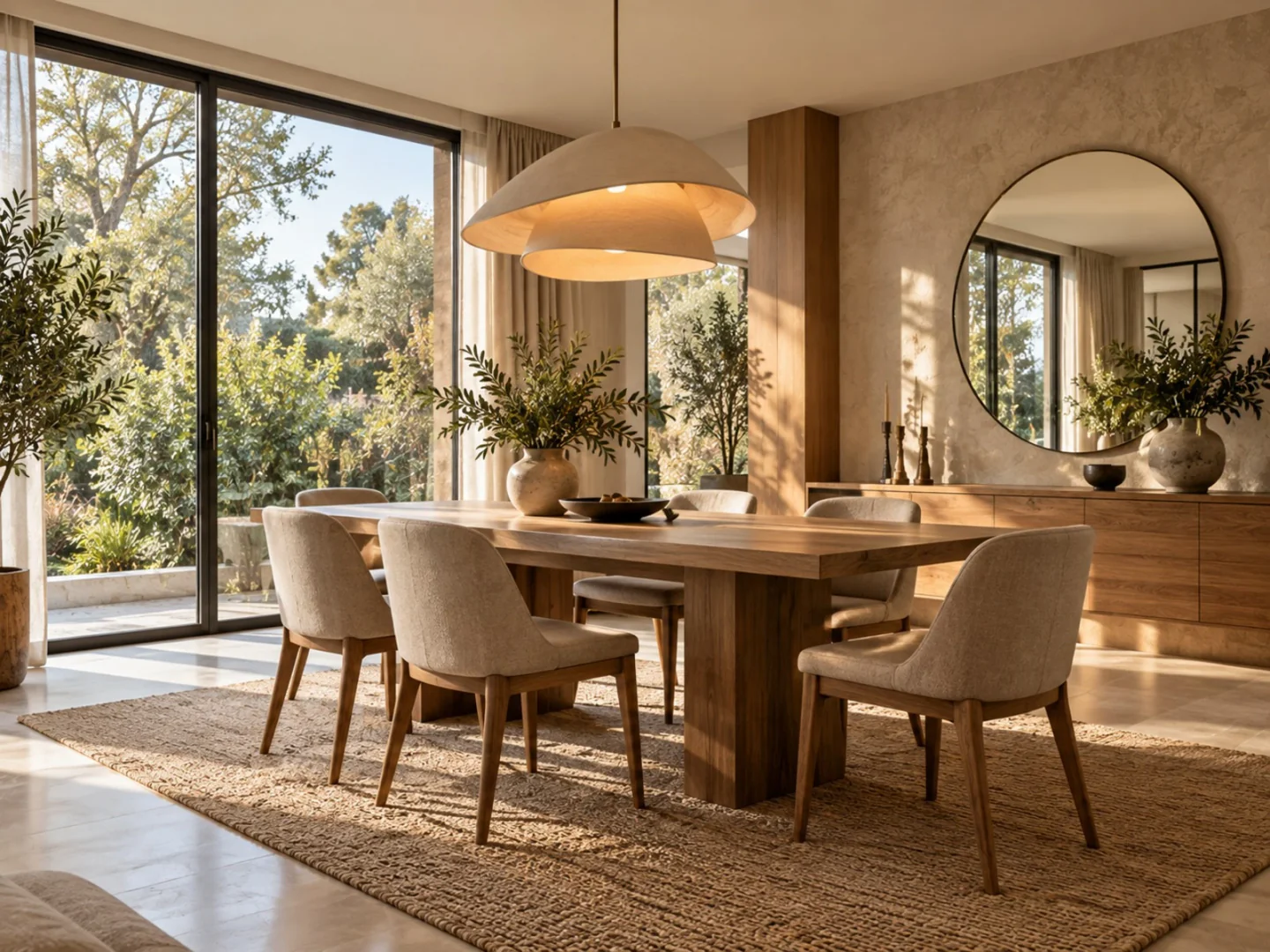
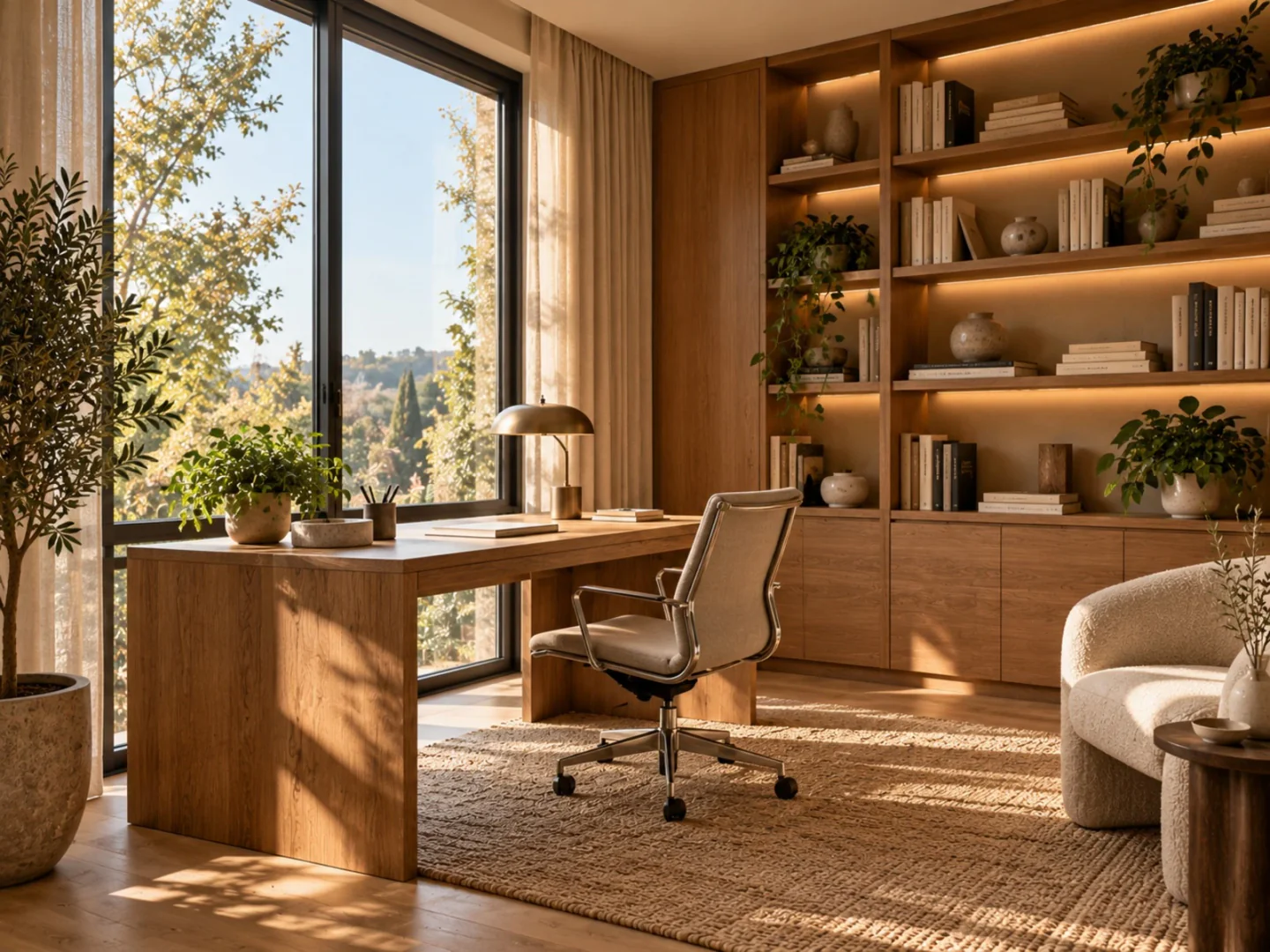
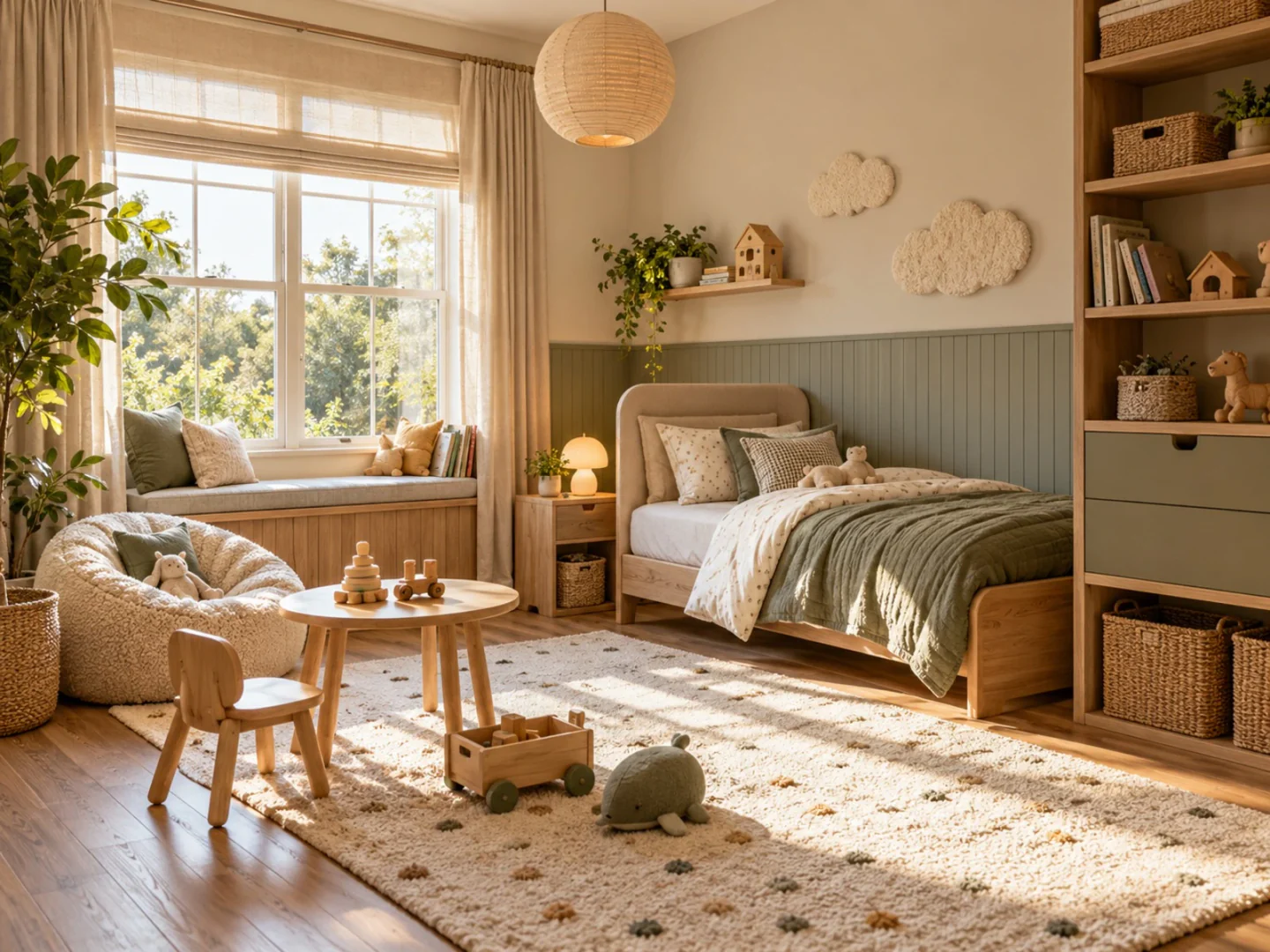
Contemporary in other rooms
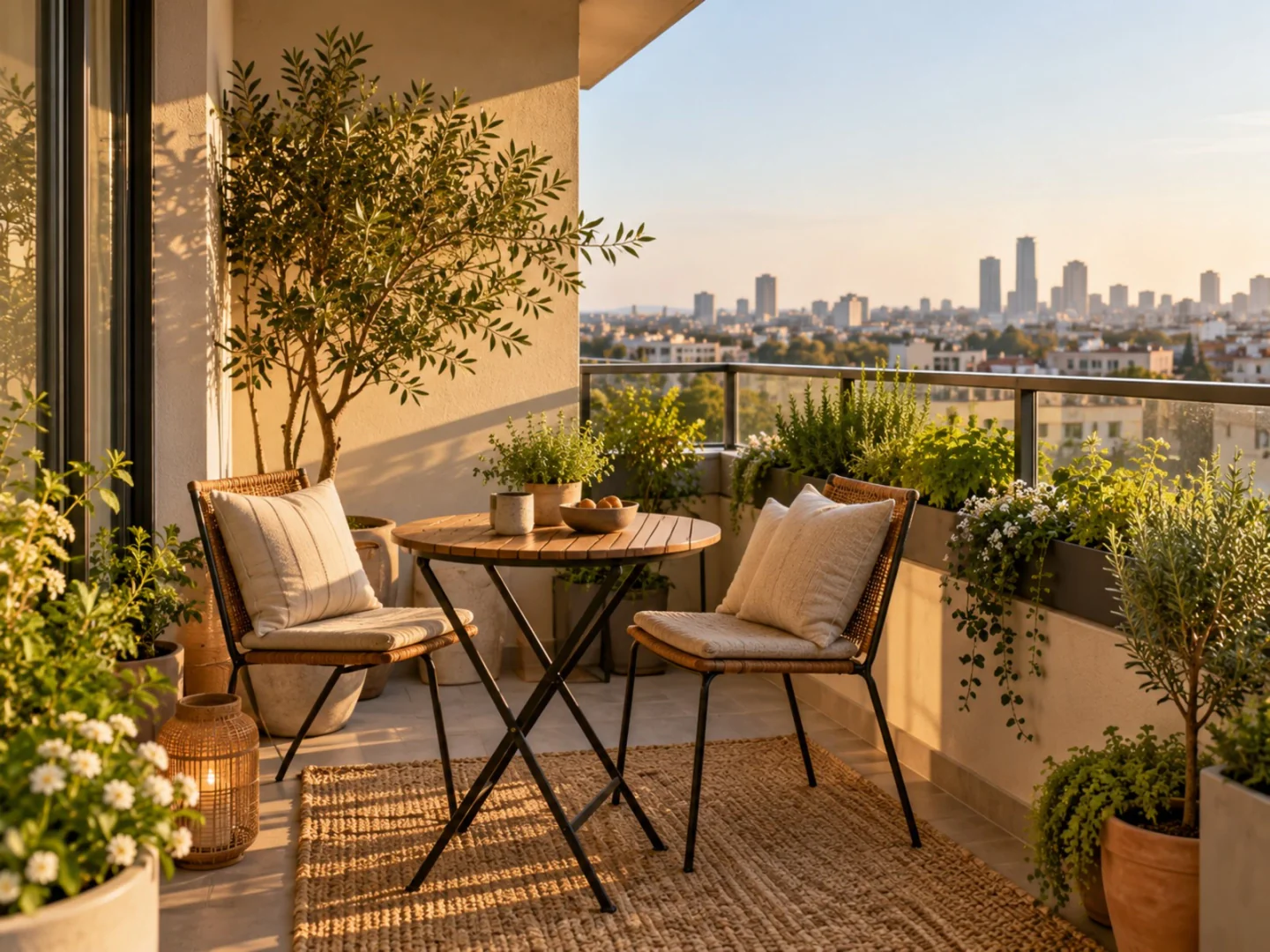
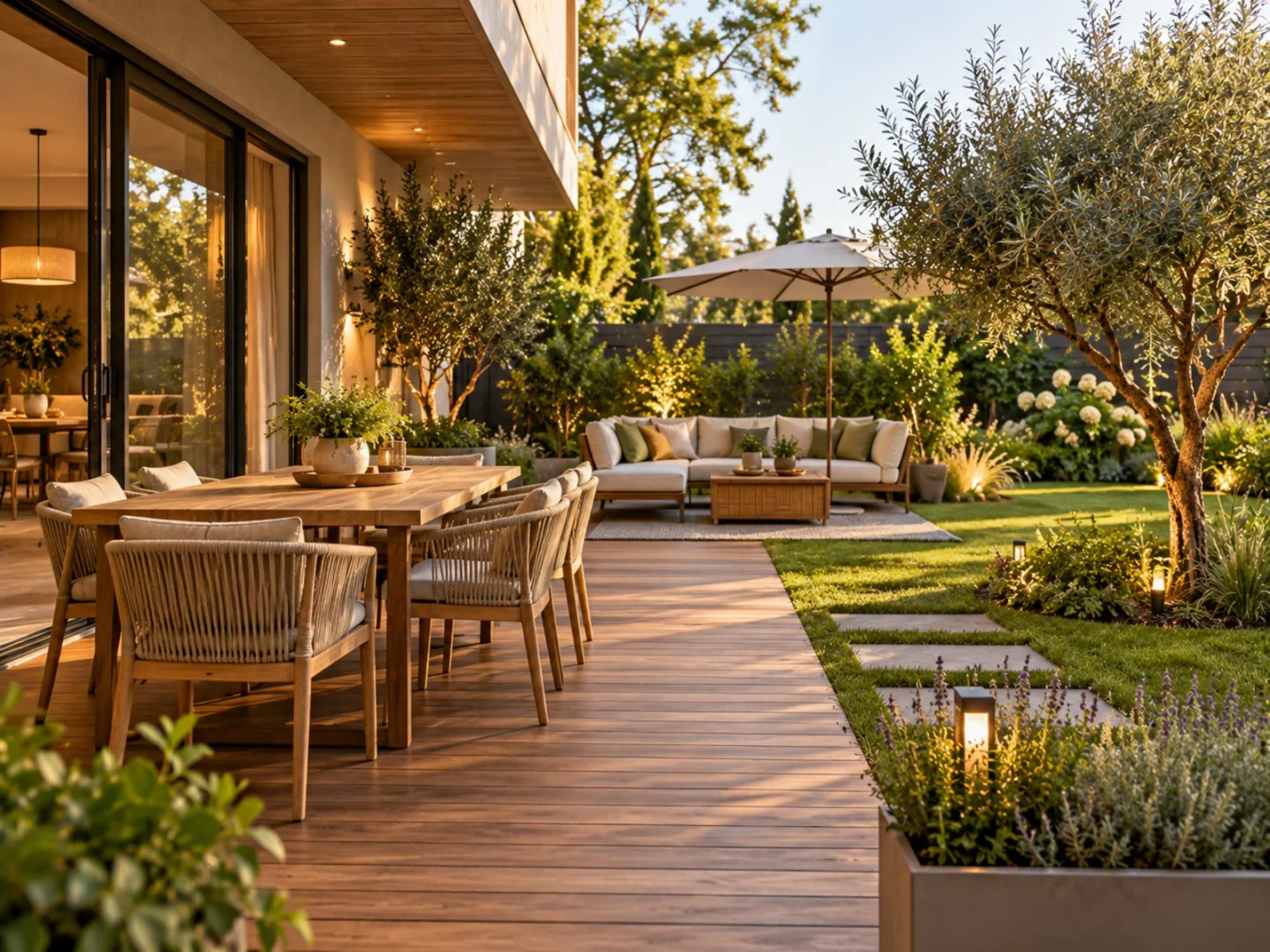
See it in your own space
Upload a photo and get a photorealistic redesign in under a minute. 3 free designs when you sign up.
Try it on my photo