
Traditional interior design
Traditional interiors draw on European classics: symmetry, moldings, turned wood and rich fabrics. The result feels elegant, calm and welcoming.
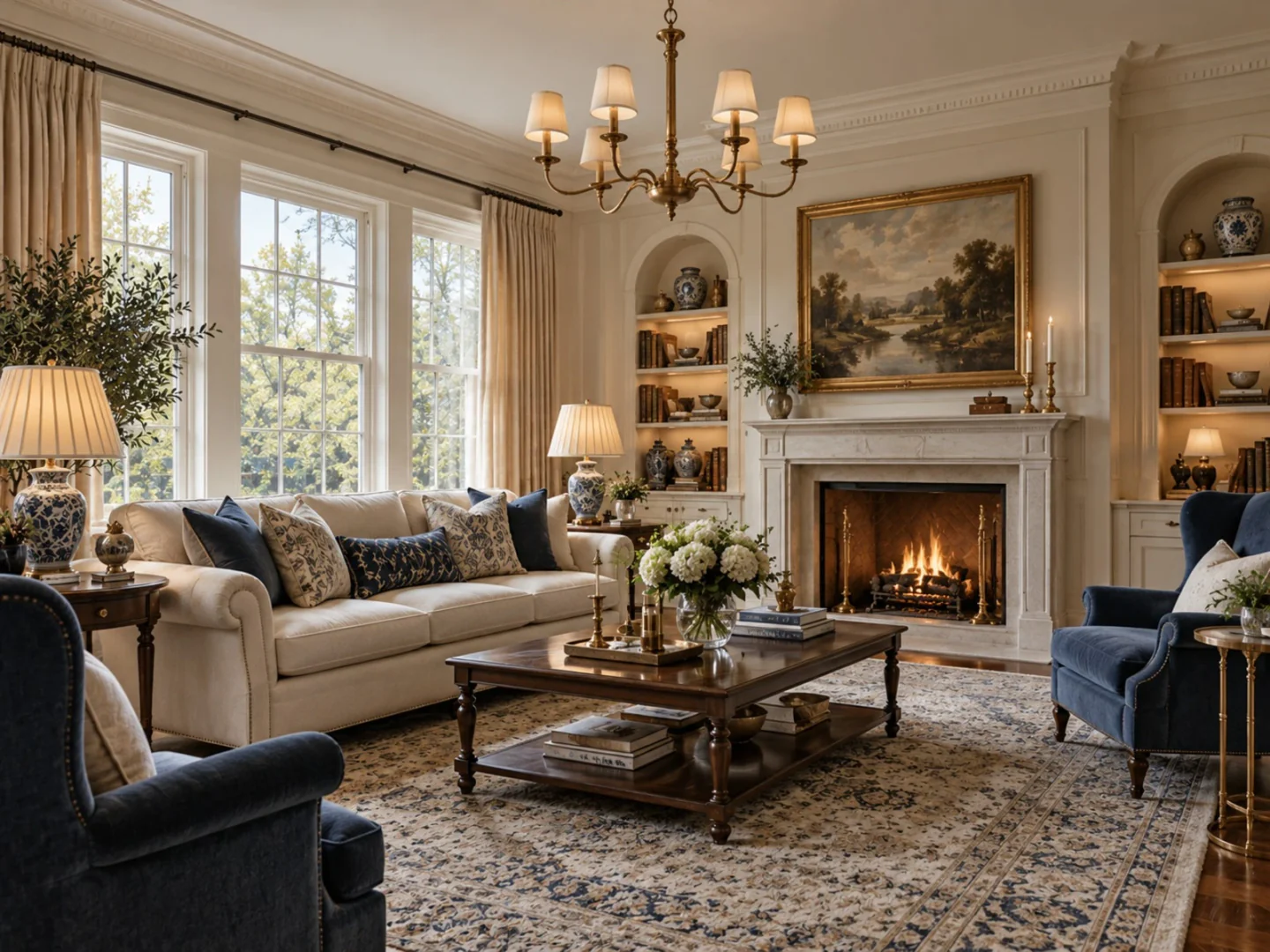
Key elements
- Materials
- Dark wood, damask and velvet, crown moldings
- Colors
- Cream, navy, burgundy and forest green
- Furniture
- Rolled-arm sofas, wingback chairs, carved tables
- Lighting
- Crystal chandeliers and pleated table lamps
- Decor
- Framed oil paintings, porcelain, symmetrical pairs
Color palettes that work
- Navy Classic#0A1128 · #1C2541 · #2E4057 · #3C5A7D · #4A7BA8
- Royal Purple#4A0E4E · #663399 · #7B68EE · #9370DB · #BA55D3
- Warm Neutrals#F5F0EB · #E8DFD8 · #D4C4B5 · #B8A898 · #9C8B7A
Where the style comes from
Traditional interiors draw on eighteenth and nineteenth century European design, especially English Georgian and Regency rooms and French classic interiors, together with the American colonial homes that adapted them. Furniture makers of those periods refined carved wood, turned legs and upholstered seating, while architects used symmetry, columns and moldings borrowed from classical antiquity. The idea is continuity and comfort: rooms that feel established and gracious, filled with pieces that could be passed down. Today's traditional style keeps those forms but usually lightens them, with fewer fabrics, lighter walls and a more relaxed arrangement, so the result feels elegant without being formal or stuffy.
How to recognize it and get it right
Recognize it by symmetry around a focal point, often a fireplace, along with crown moldings, wall paneling, rolled-arm sofas, wingback chairs, wooden tables with turned or cabriole legs, and patterned fabrics like florals, stripes and damask. Lamps with pleated shades and framed artwork in classic frames are common. To get it right, establish the focal point first and arrange pairs of chairs, lamps or side tables around it. Choose a palette of two or three rich colors, such as navy and cream, and repeat them. Add architectural details like picture rails or paneling if the room lacks them, since they give furniture a fitting backdrop.
Common mistakes
- Matching every piece from one furniture set. Traditional rooms look best when collected over time; mix wood tones and periods within a shared formality.
- Using heavy dark fabrics and furniture in a small, low-light room. Lighten walls and curtains, and keep darker woods to a few anchoring pieces.
- Hanging curtains too low and narrow. Mount rods near the ceiling and extend them past the window so the room looks taller and more generous.
Styles it pairs with
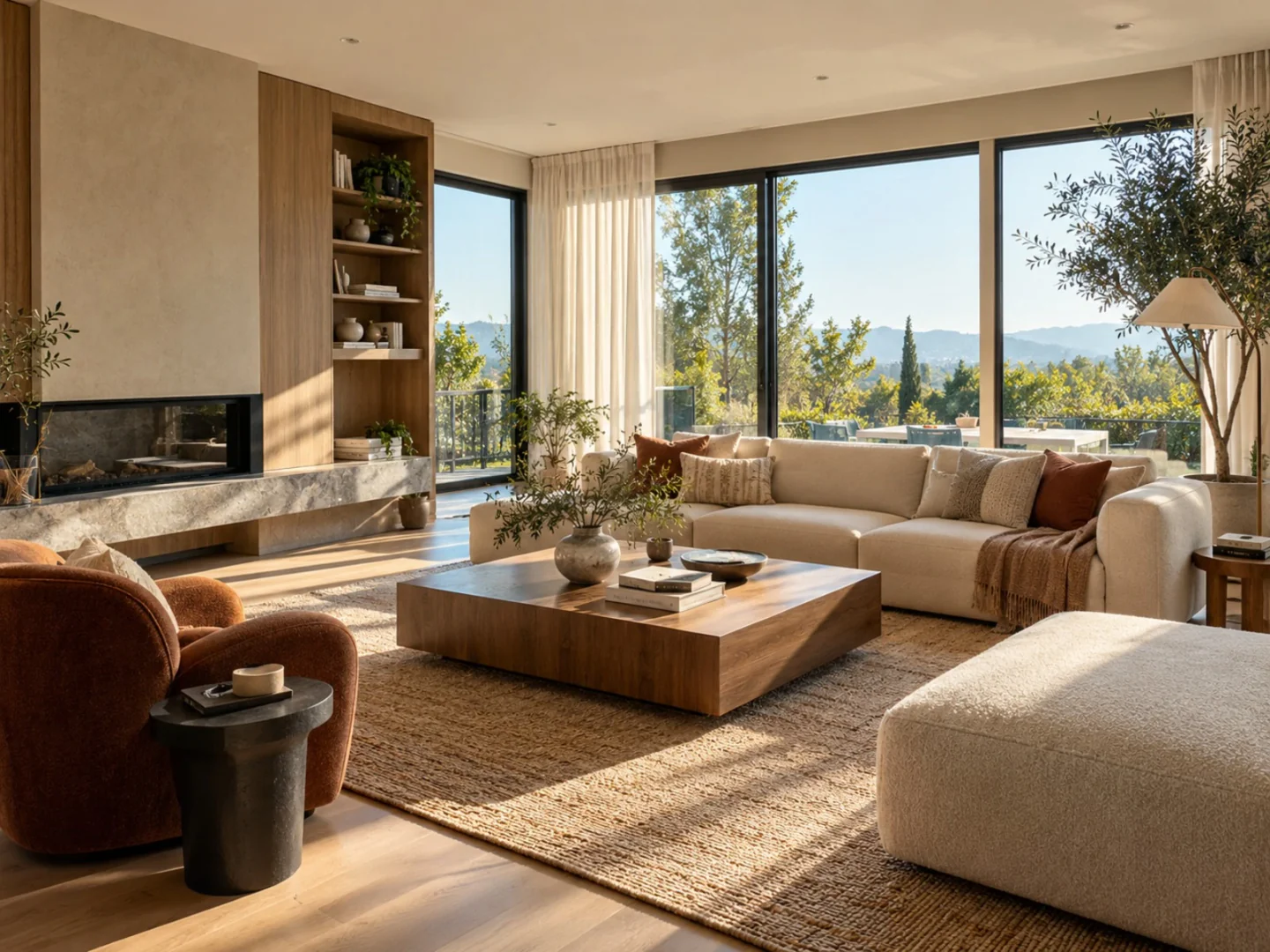
Traditional mixes well with contemporary in the blend often called transitional: classic shapes with cleaner fabrics and fewer details. Farmhouse adds relaxed, rustic warmth, while Art Deco accents bring glamour to a classic dining room. A single mid-century chair or modern artwork can also freshen a traditional living room.
Questions
How can I make a traditional living room feel less old-fashioned?
Keep the classic furniture shapes but lighten everything around them. Paint walls a soft warm white, swap heavy drapes for linen, reduce accessories and add one modern artwork or lamp. Updating fabrics on old chairs is often more effective than replacing them.
What flooring suits a traditional interior?
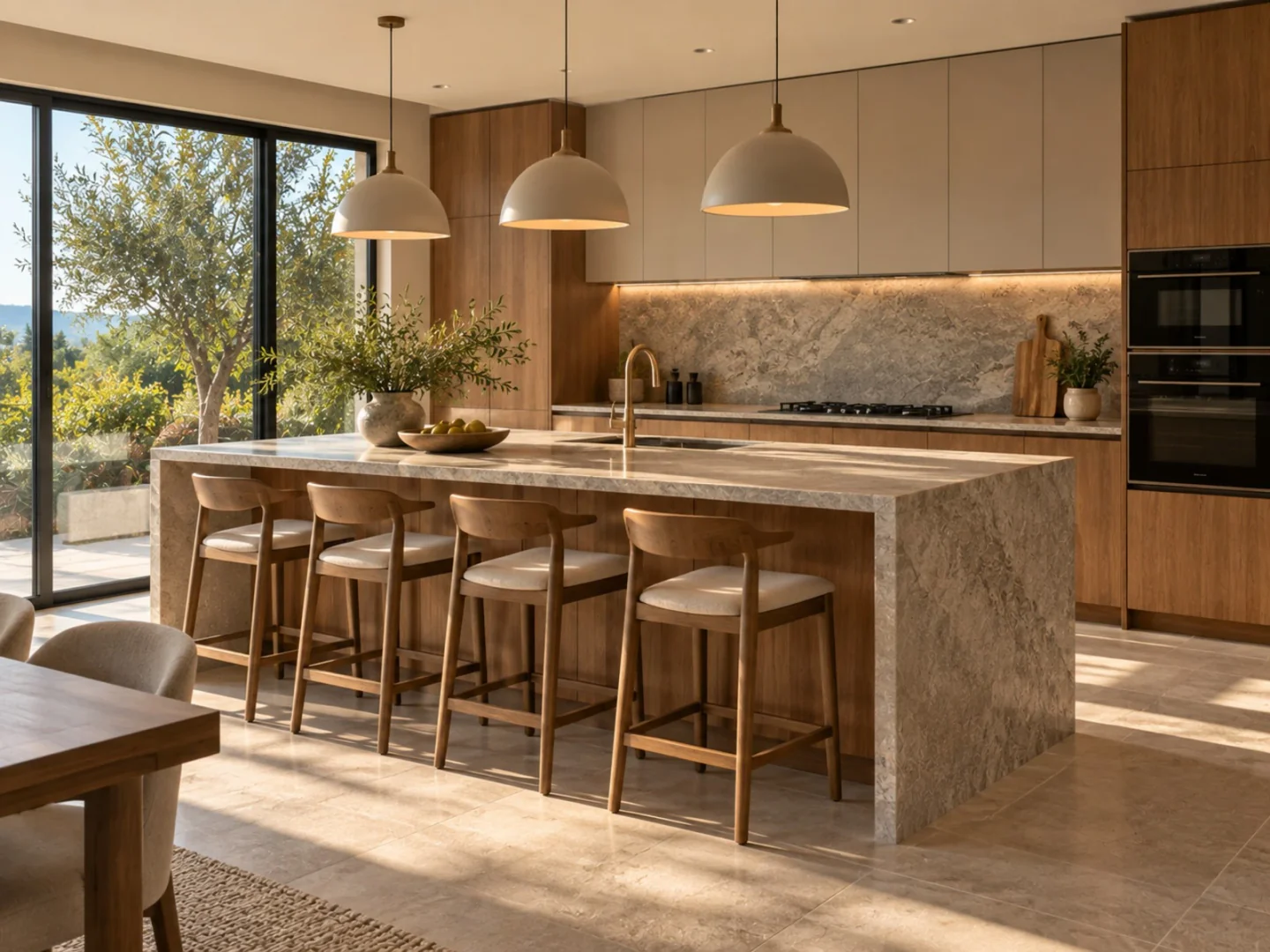
Wood floors in medium to dark tones are the classic choice, especially herringbone or chevron patterns. In kitchens and hallways, stone or patterned tiles fit well. Large wool rugs with traditional patterns then define seating areas and soften the room.
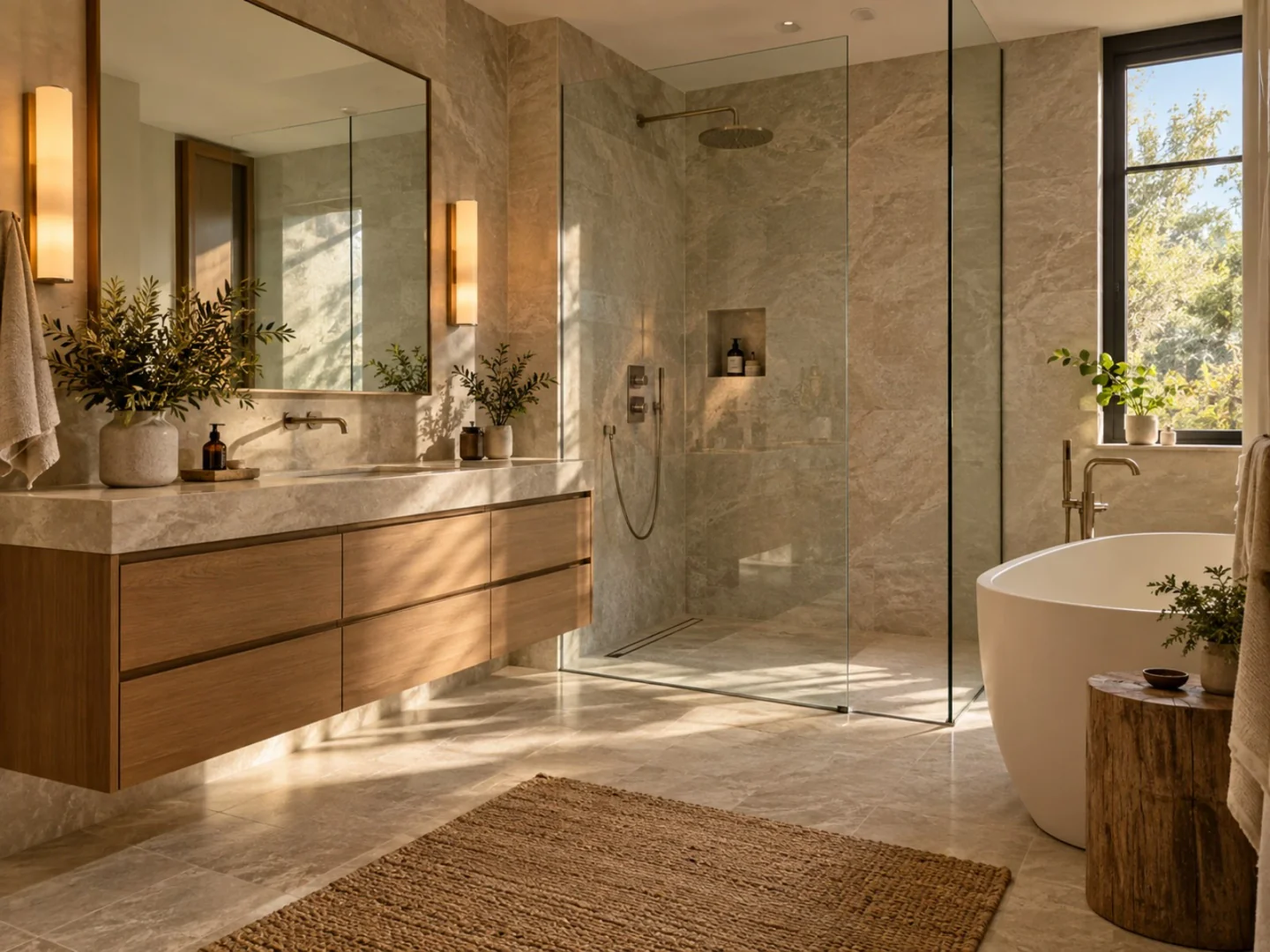
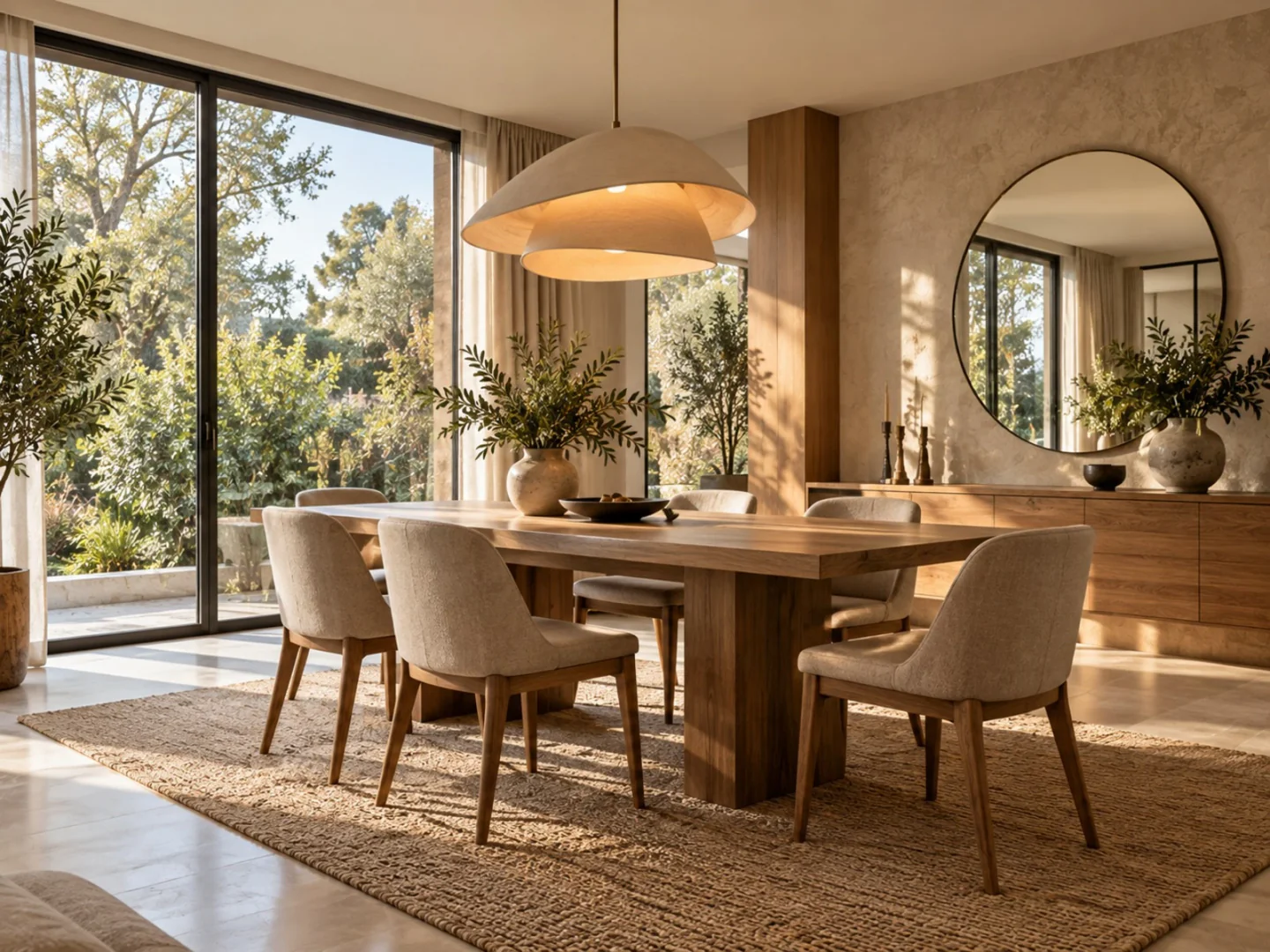
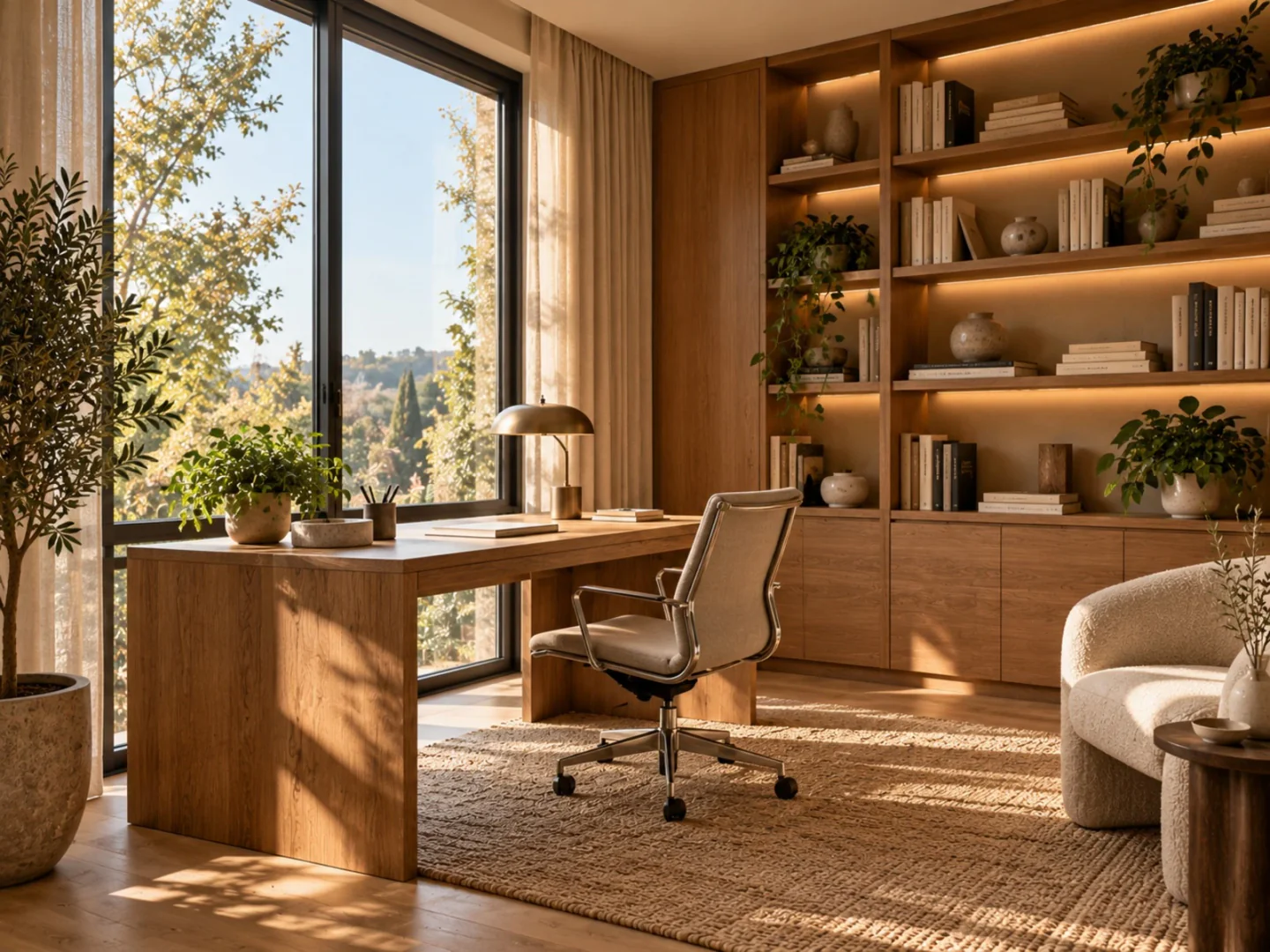
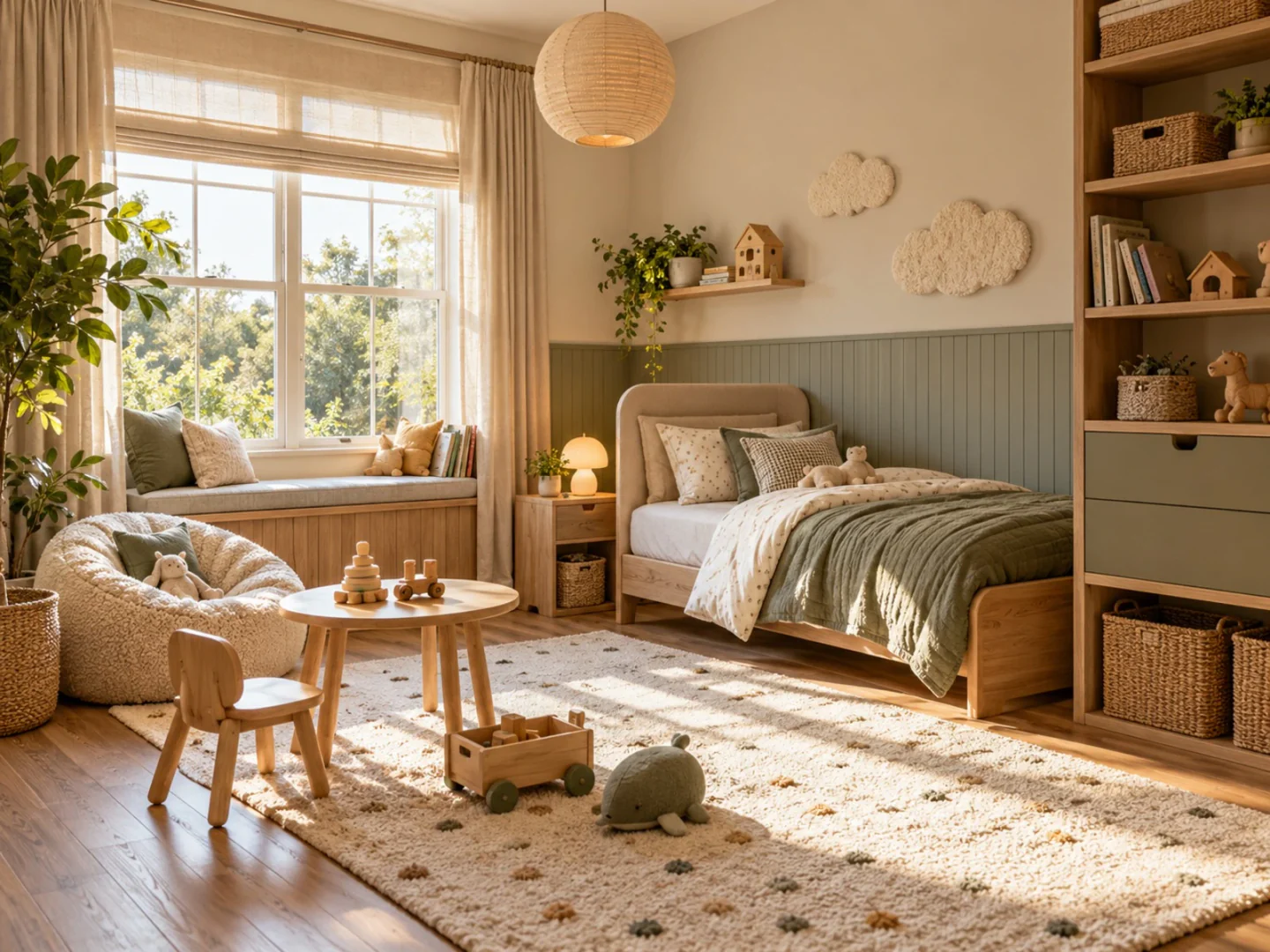
Traditional in other rooms
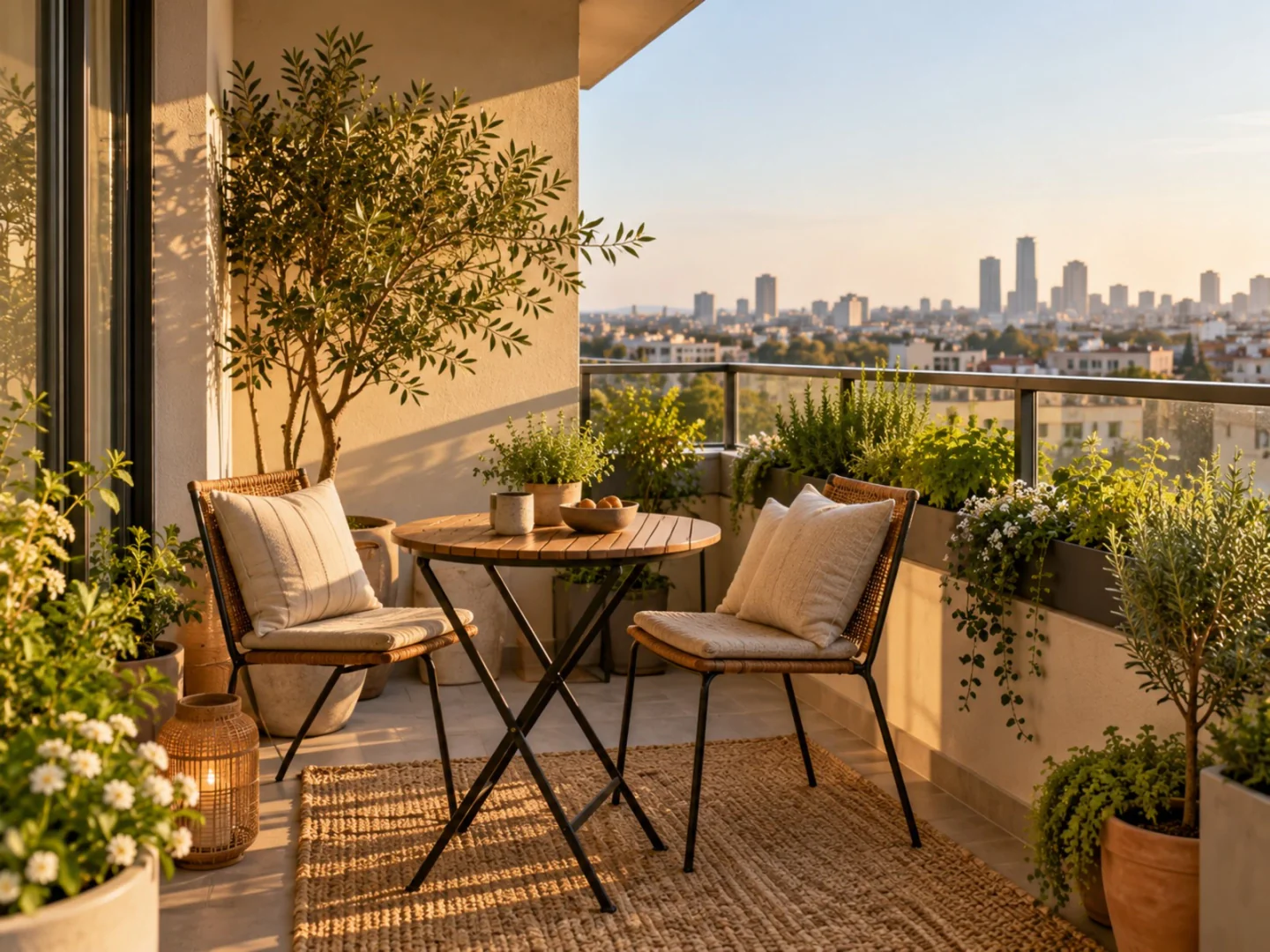
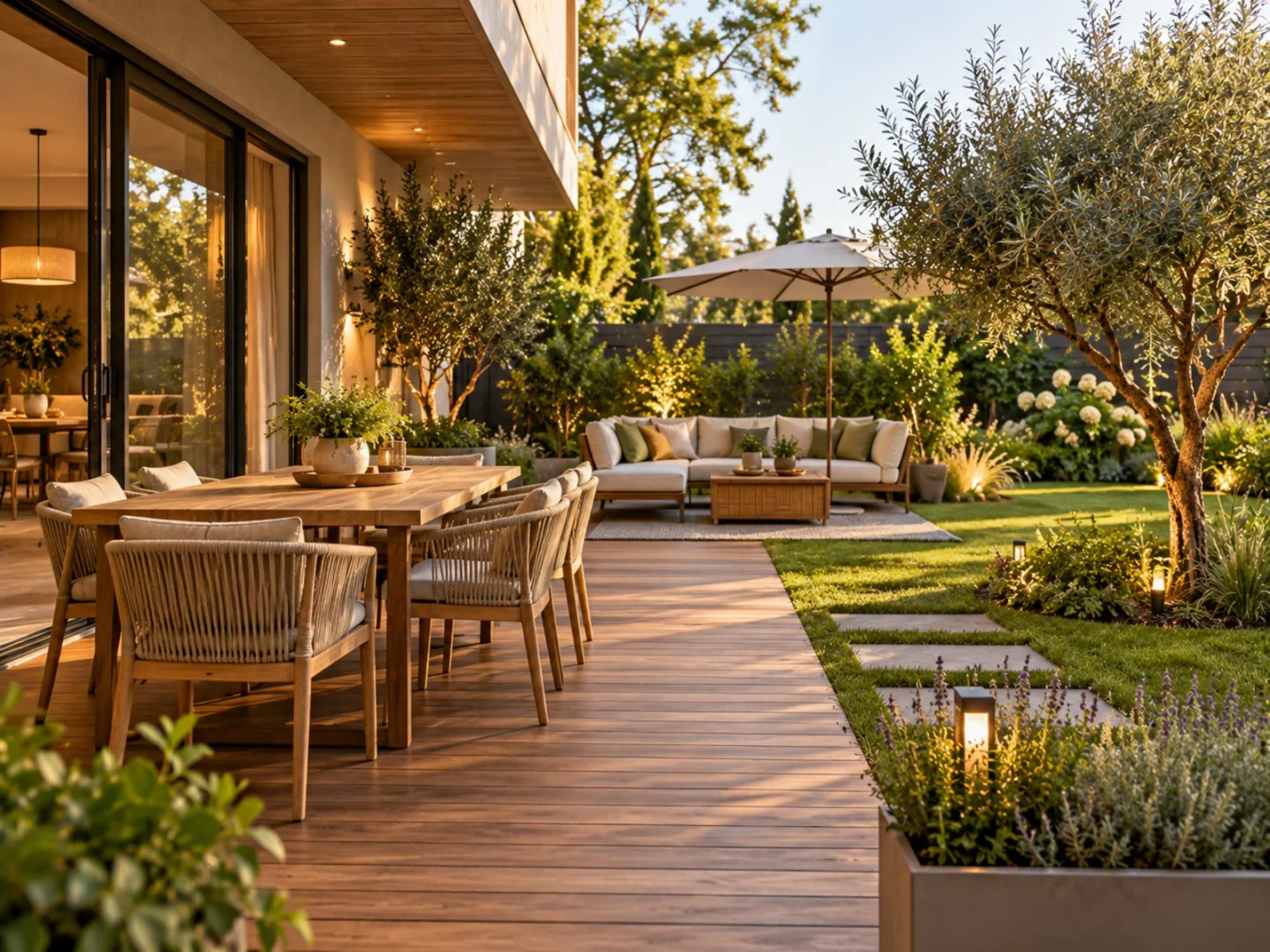
See it in your own space
Upload a photo and get a photorealistic redesign in under a minute. 3 free designs when you sign up.
Try it on my photo